
The Quick Guide to Rubies: History, Formation, and Meaning
- Brian Height
- Jul 3, 2025
- 3 min read

Updated: Jul 6, 2025
Few gemstones carry the rich history, stunning beauty, and powerful symbolism of the ruby. At Height’s Fine Jewelry, we celebrate rubies as more than just vibrant red gems—they are timeless treasures that have captivated cultures and hearts for millennia. Whether you’re considering a ruby for a custom piece or simply seeking to learn more, this quick guide covers everything you need to know about rubies: their ancient origins, geological formation, and enduring meaning.

What Is a Ruby?
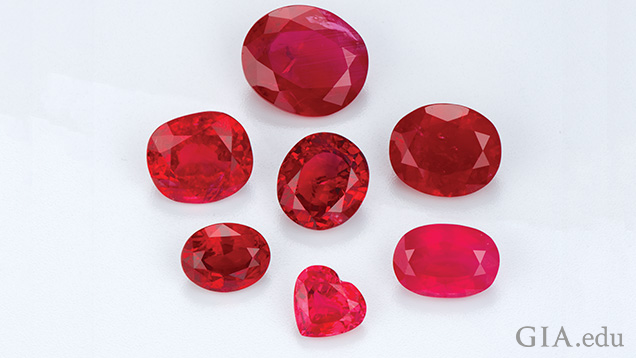
Ruby is a variety of the mineral corundum, prized specifically for its red hue caused by the trace element chromium. In fact, rubies are the red siblings of sapphires, which come in almost every other color. The intensity of a ruby’s red, ranging from pure vibrant red to slightly purplish or orangy red, depends on how much chromium is present in its crystal structure.
Rubies are among the hardest gemstones, rating 9 on the Mohs scale—second only to diamonds—making them ideal for jewelry that lasts generations.
The Geological Journey: How Rubies Are Formed
Rubies began their journey hundreds of millions of years ago, formed deep within the Earth under extreme heat and pressure. As oxygen and aluminum atoms bond through geological processes, corundum crystals grow. When chromium is incorporated into this crystal lattice, the result is the breathtaking red ruby.
Rubies are commonly found in two types of host rocks: marble and basalt. Marble-hosted rubies, such as those from Myanmar (formerly Burma), tend to have fewer impurities like iron, producing rubies with more intense red colors and a characteristic red fluorescence. Basalt-hosted rubies can have more iron, leading to darker reds and masking of fluorescence.
A Treasure Steeped in History and Legend
Rubies are some of the most historically significant and culturally revered gemstones:
In Sanskrit, ruby is called ratnaraj, meaning “king of precious stones.”
Ancient cultures believed rubies held the power of life itself, associating the red color with blood and vitality.
The stone is mentioned several times in the Bible, symbolizing beauty and wisdom.
Warriors in Burma believed that embedding rubies in their flesh would grant them invincibility—a testament to the stone’s legendary status.
Throughout medieval Europe, rubies were prized by royalty to guarantee health, wealth, and success in love.
Today, ruby remains a powerful symbol of passion, protection, and prosperity.
The Meaning Behind the Ruby
Red has long been the color of powerful emotion—love, passion, courage, and strength. The ruby embodies all of these qualities and more. It is a gemstone of commitment and deep feeling, making it an ideal choice for engagement rings, anniversaries, or meaningful gifts.
Rubies are also the traditional birthstone for July and are commonly gifted on 15th and 40th wedding anniversaries—milestones worthy of such a noble gem.
Why Choose a Ruby from Height’s Fine Jewelry?
At Height’s Fine Jewelry, we understand the significance of choosing a ruby that perfectly resonates with your story. With 17 years of expertise, we support you every step of the way—from education to custom design.
Our global partnerships allow us to source the finest rubies—whether color-rich Burmese gems or other world-class stones. Together, we curate a jewelry experience that honors your vision without compromise.
Discover the timeless magic of rubies with Height’s Fine Jewelry. Let us help you transform this extraordinary gem into an heirloom as unique as your story. Contact us to start your journey today.


Comments